Before I became a dad, my ideal car was a small nugget-style hatchback with a tiny engine. For years I drove a 2001 Corsa C in what Vauxhall called blue, but anyone else would say it was dark green. That little Corsa was fitted with a lumpy three-cylinder 1-litre engine that looked lost in the engine bay, and because it didn’t have a balance shaft, it rattled the whole car while idling. It had no power either, which meant that to get around alongside the modern monsters most people drive nowadays, I had to use all of the throttle pulling into or out of junctions. The car came into its own on the country roads, though, where, on a sunny day with all the windows down and the sunroof open, it felt like driving a go-kart, only with comfier seats, electric power steering and a sound system. Driving along with my foot planted firmly in the carpet It would roll into and out of every corner, leaving me clinging onto the steering wheel, trying not to fall out.
I kept this little car going for years, and at one point I totally rebuilt the engine with some help from my brother after the timing chain stretched and skipped a few teeth, totally bending all the valves. I kept that little green go-kart going right up until my son was born, when all of a sudden, my little green bubble was too small. I did briefly have a 1.1 Peugeot 206, which deserves its own article, and a 1.4 Corsa D SXi, which does not. But it was clear I needed a much bigger car.
If you’re lucky enough to be a parent, you’ll know just how
many accessories you need to have with a young child. With a vast collection of pushchairs and seats and carriers and all the other things, I decided I needed
an estate car. 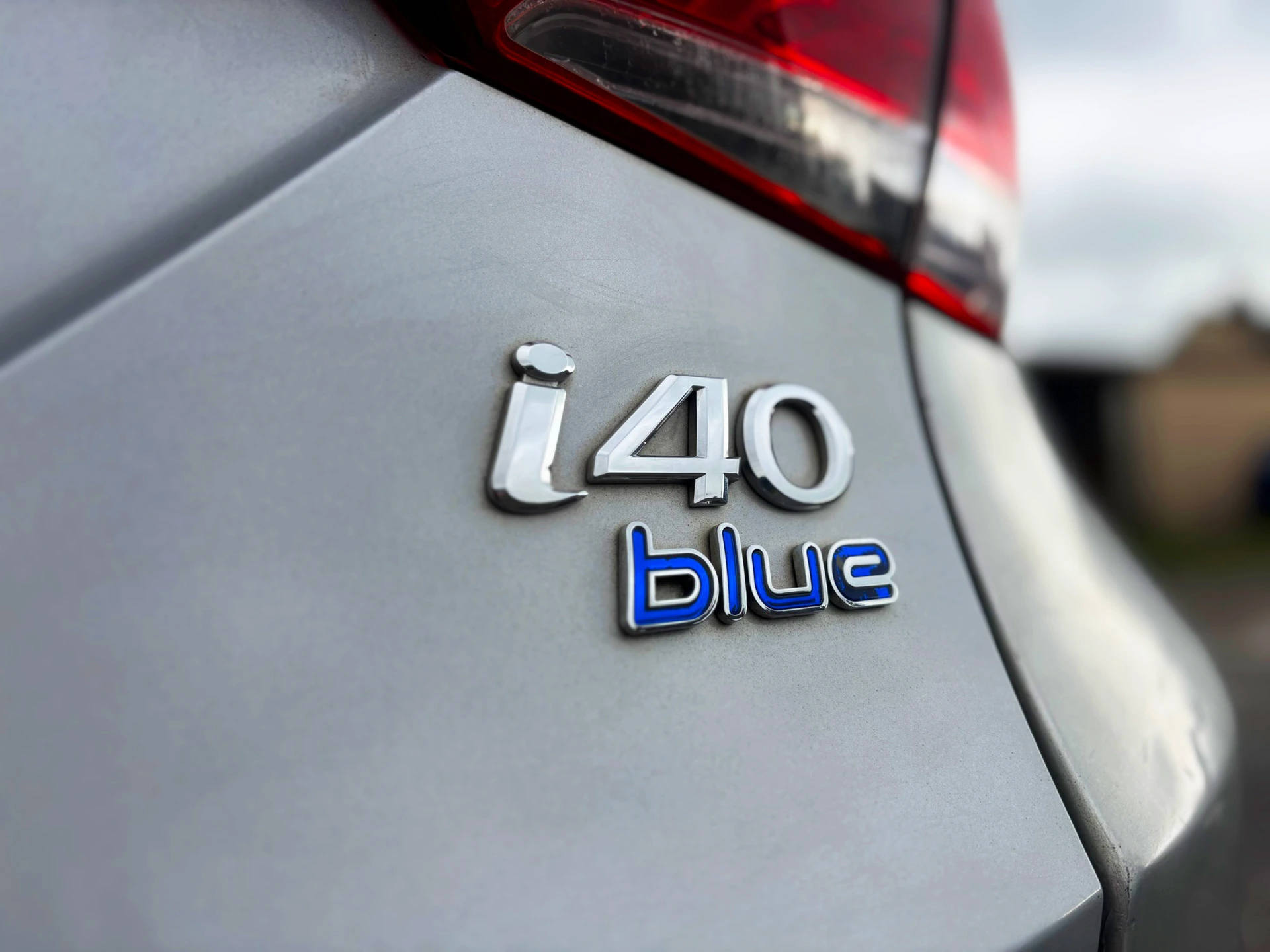 Whilst looking around for something like a Volvo or a Skoda, by
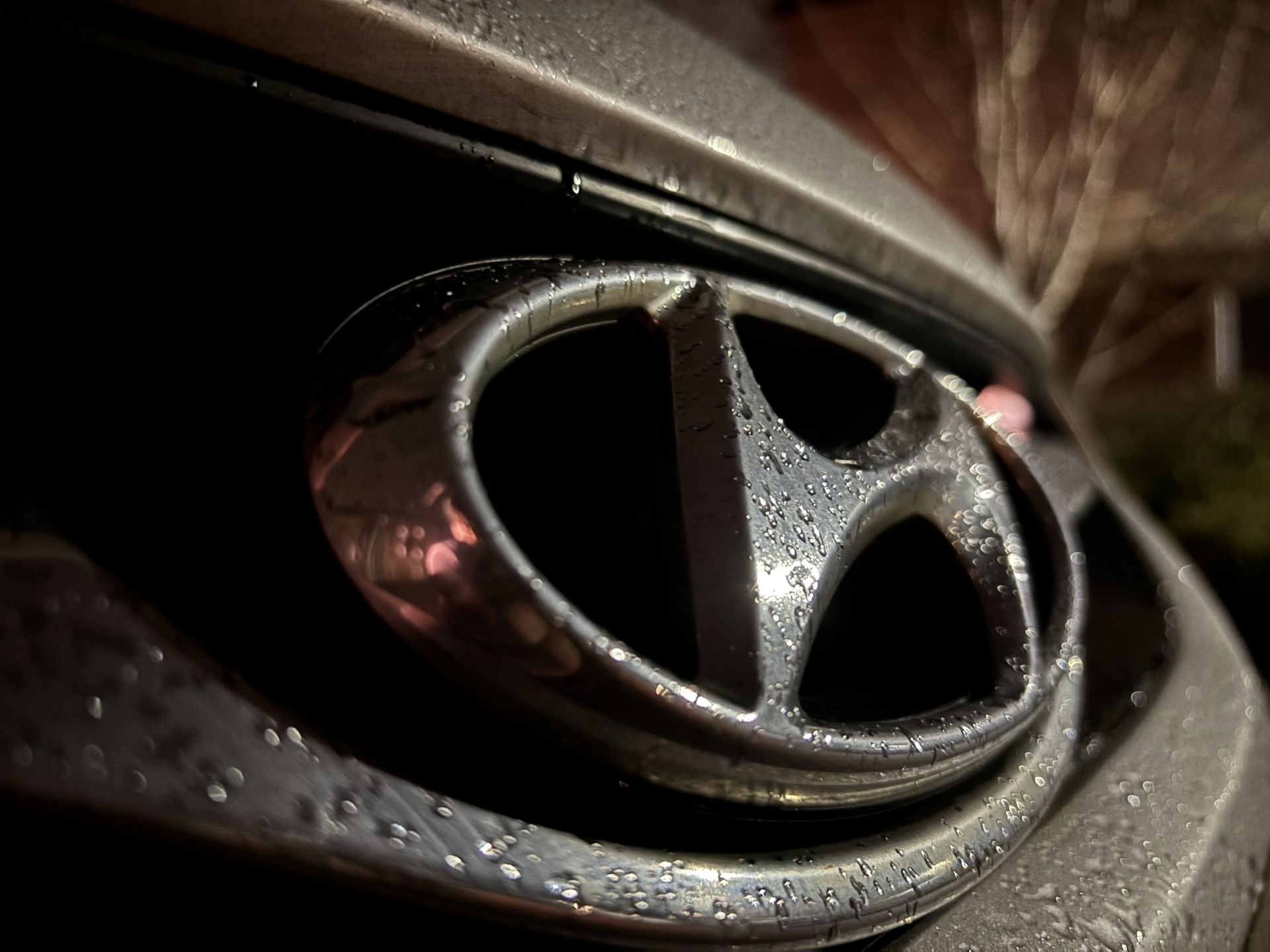
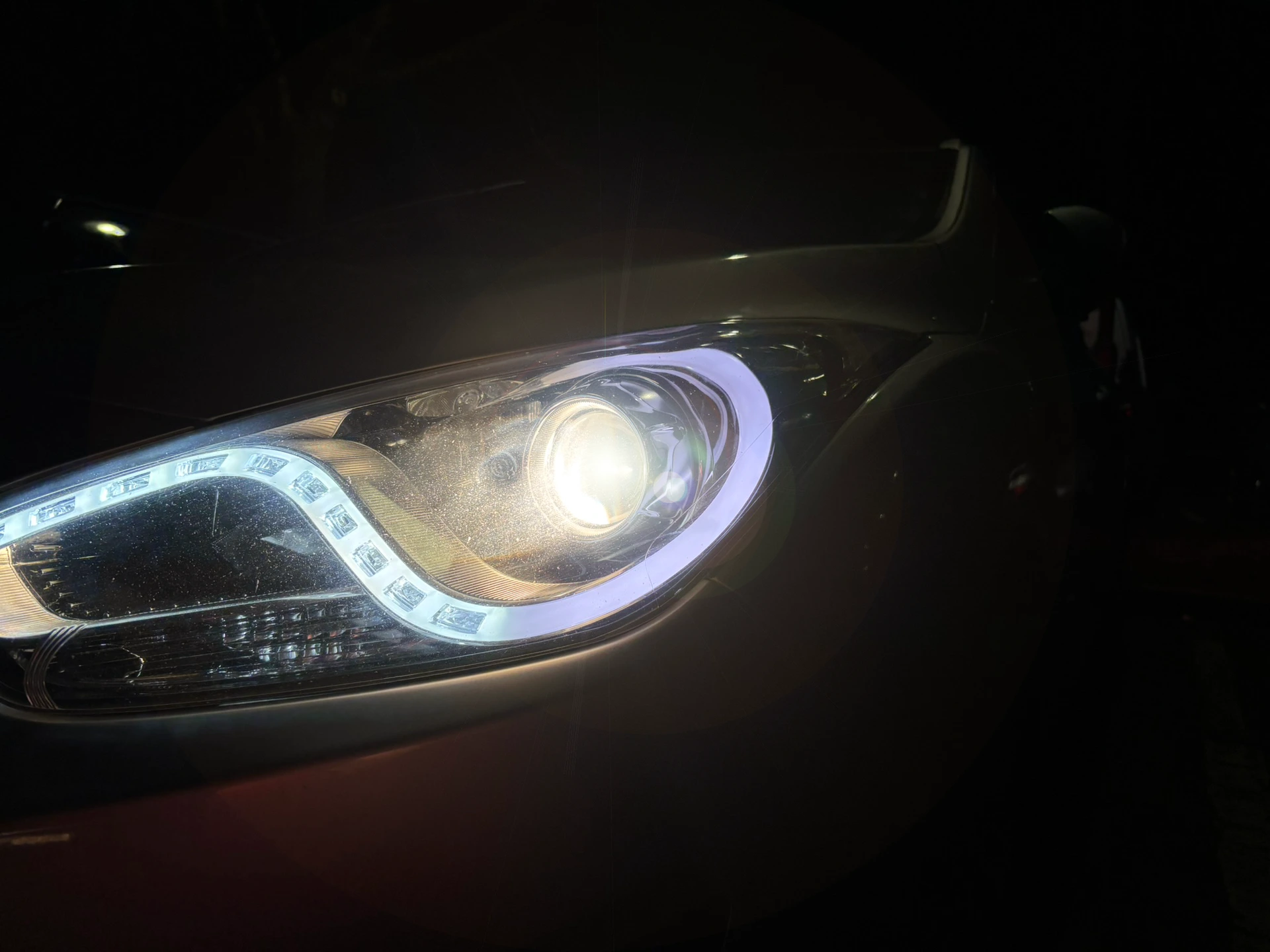
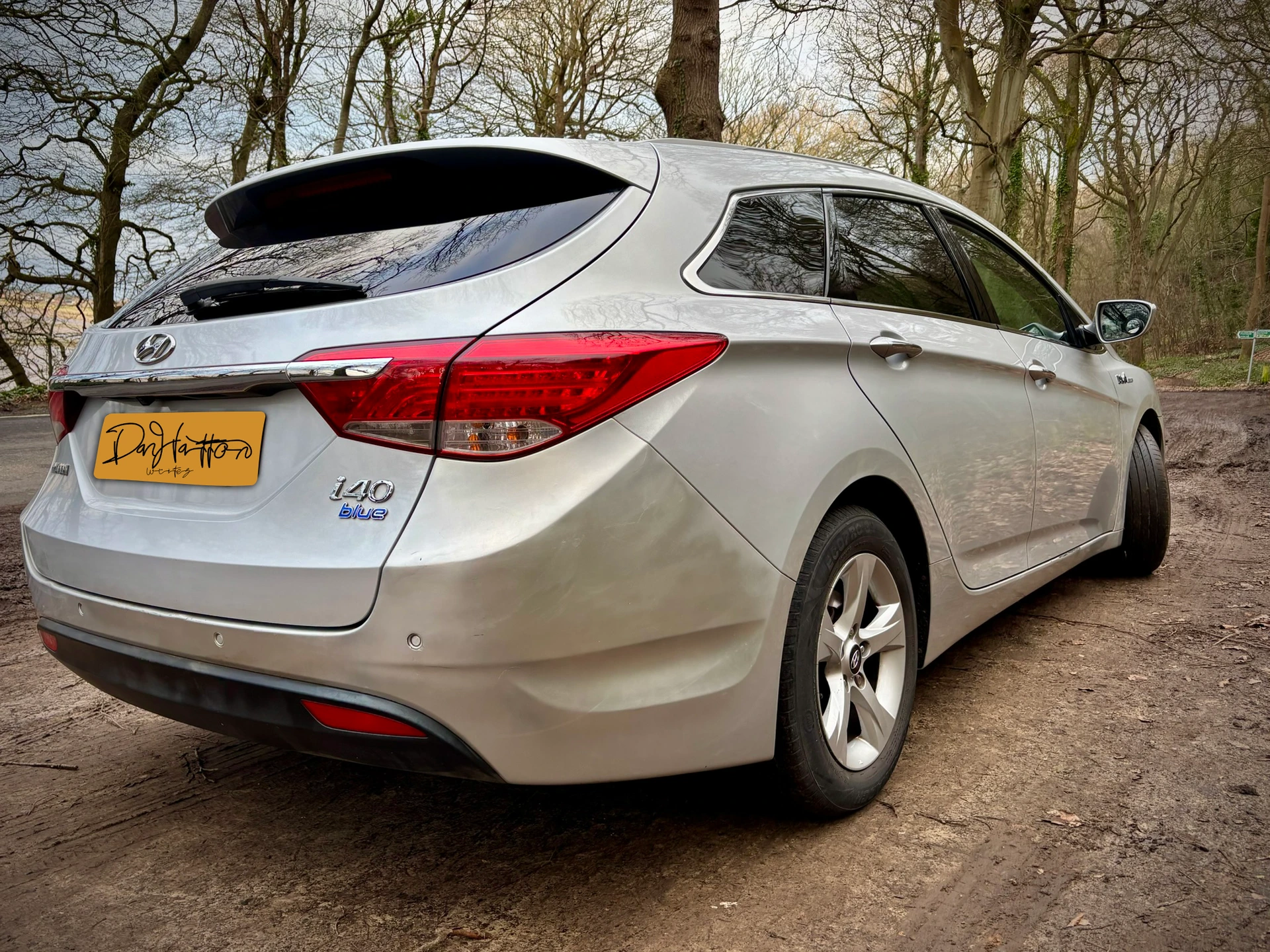
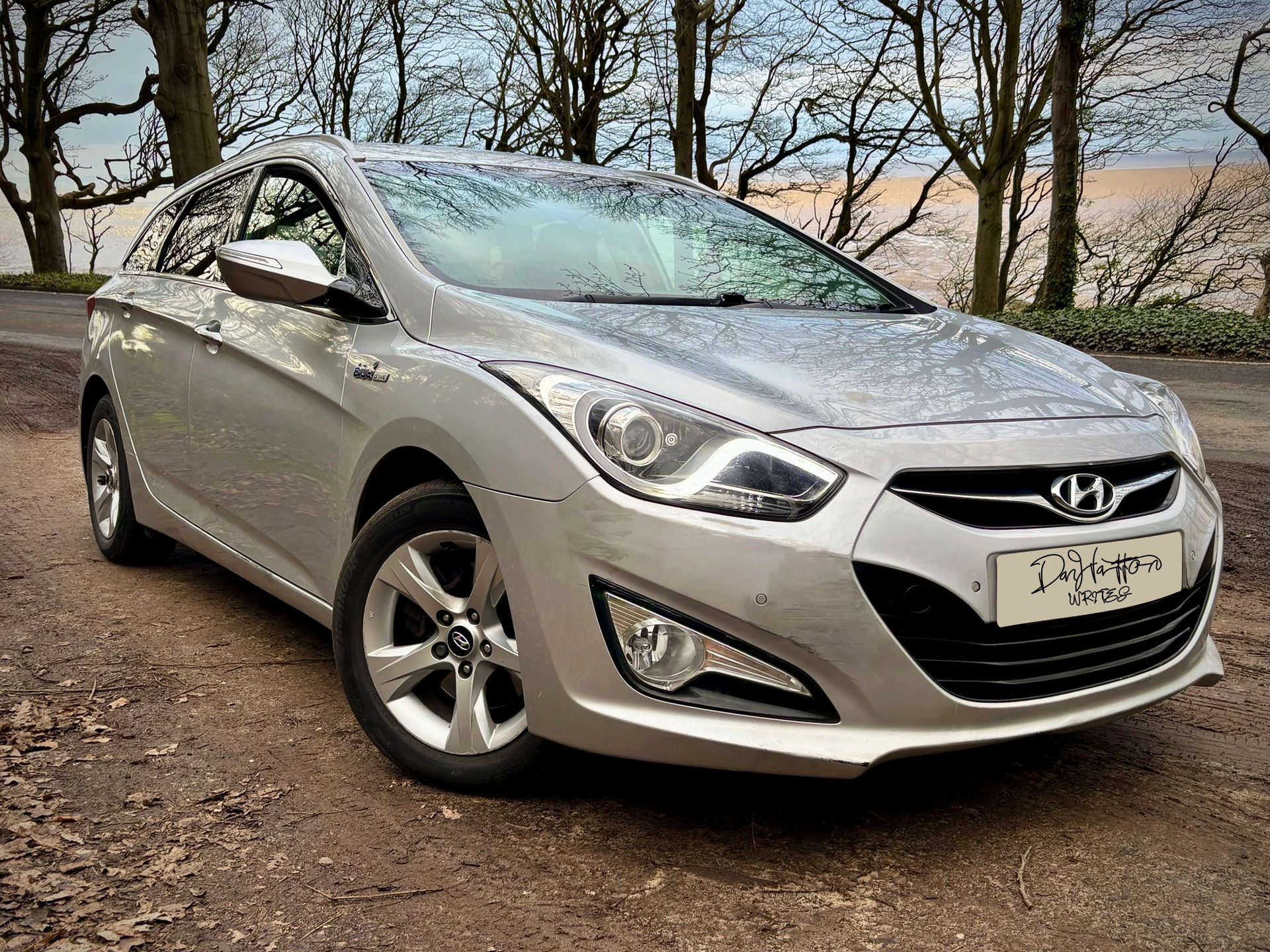
chance I acquired a 2014 silver tourer Hyundai i40 BlueDrive with a manual gearbox.
It was once a fleet car before being bought by someone else and then left in
the corner of a car park for a year after the dual-mass flywheel had suspected
issues.
Whilst looking around for something like a Volvo or a Skoda, by
chance I acquired a 2014 silver tourer Hyundai i40 BlueDrive with a manual gearbox.
It was once a fleet car before being bought by someone else and then left in
the corner of a car park for a year after the dual-mass flywheel had suspected
issues.
After getting the engine started and cleaning off the moss, we got it driving. However, after a few miles whilst driving it to test something else a few days later, the dual-mass flywheel totally failed and took the gearbox with it. Now at this point, you’d say, 'Well, it’s time for the scrapyard.' But I was a man in need of an estate car and had the keys to one with all the features and space I wanted in a car and only 130K on the clock. Besides, it just needed a new drive train, and how hard could that be? I was used to keeping my Corsa going after all.
Amazingly, because the i40 shares the same parts as a lot of Hyundai and Kia cars, good parts from breakers were plentiful, and I was able to do the whole job, including a brand-new dual-mass flywheel, clutch and pressure plate, thrust bearing, master and slave cylinder, and manual gearbox from a breaker with a warranty and even the brake master cylinder for less than a grand, which is a lot less than what I’d have to spend on another car this size with all the creature comforts I wanted. And the best part is I now know it has a brand-new flywheel and clutch. Finally, then, I have a decent family car, and my problem is solved. And it is; it’s perfect for what I need.
Interior
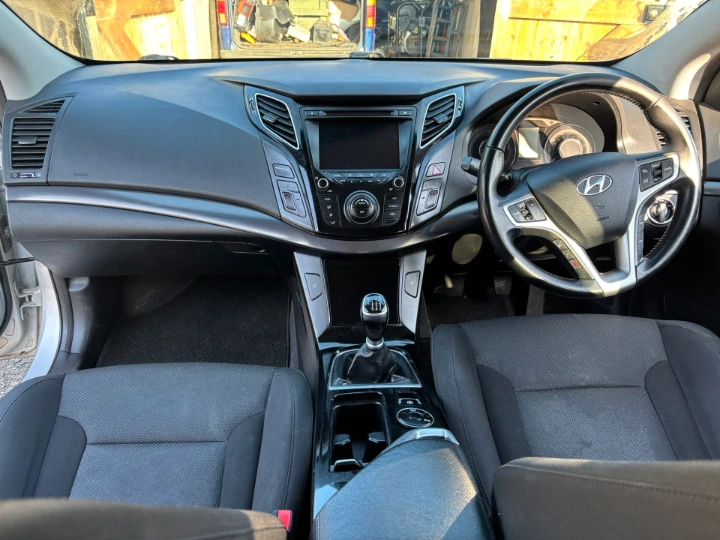
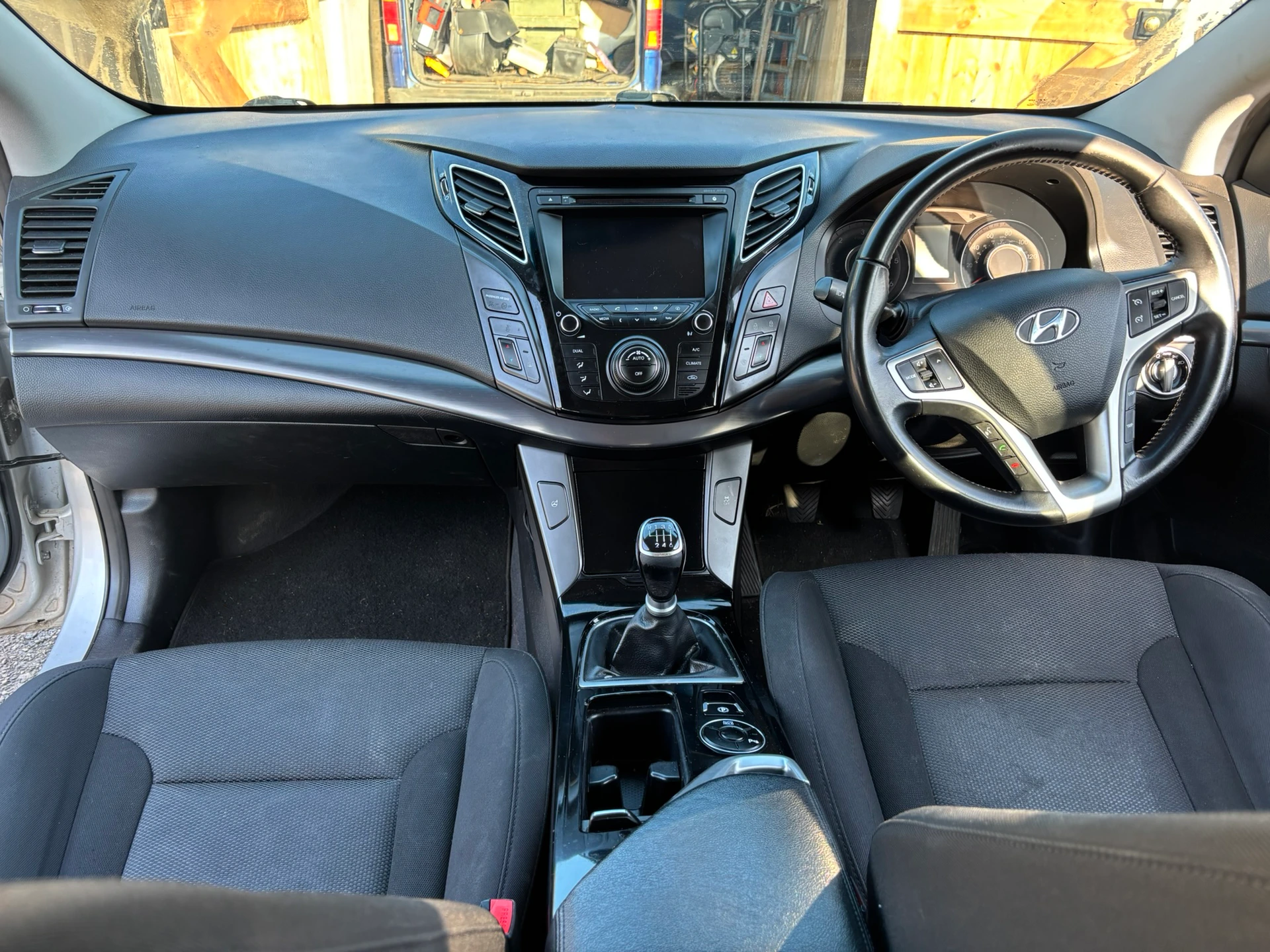
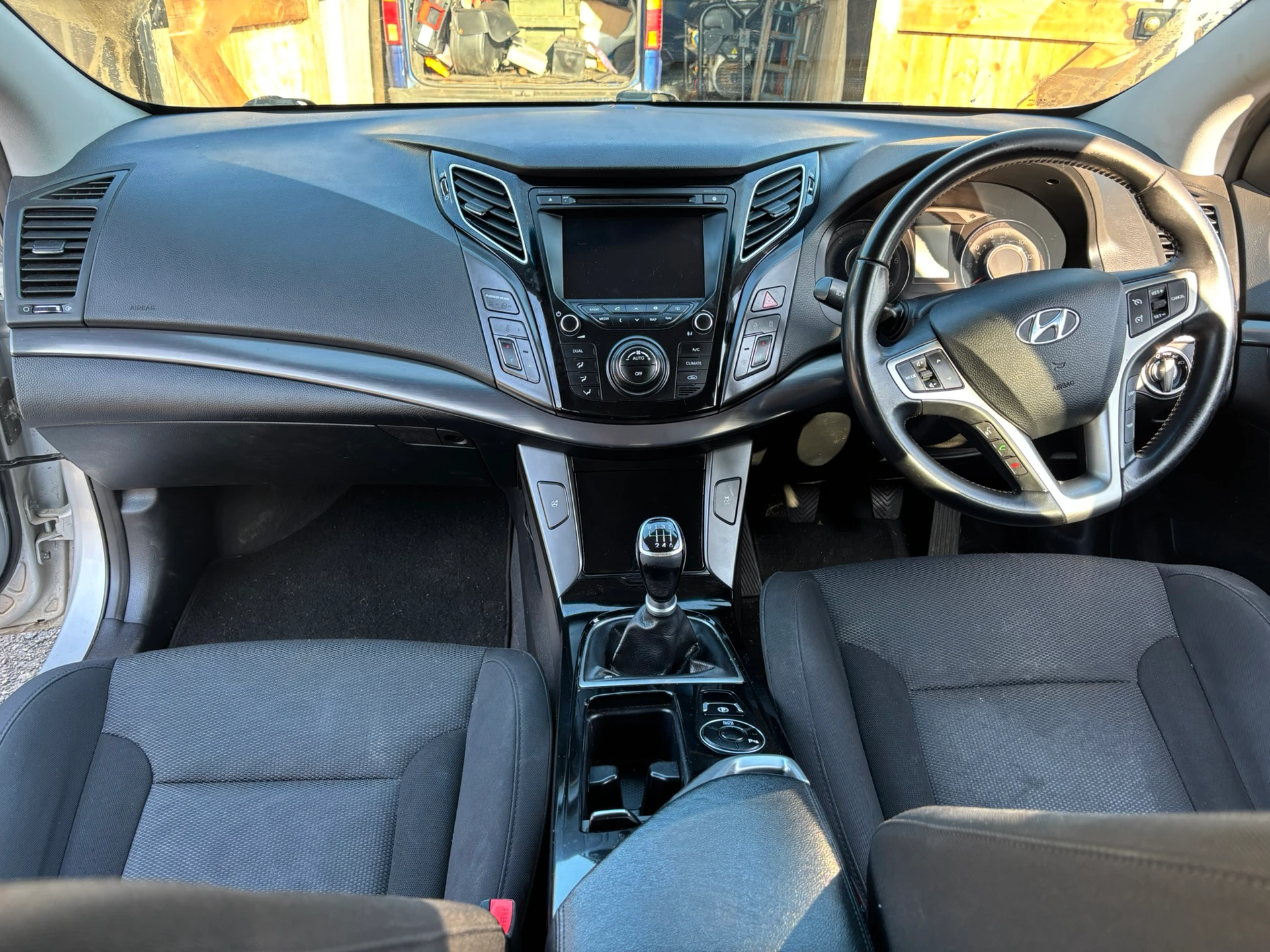
Let’s start by talking about the interior. It is the place I
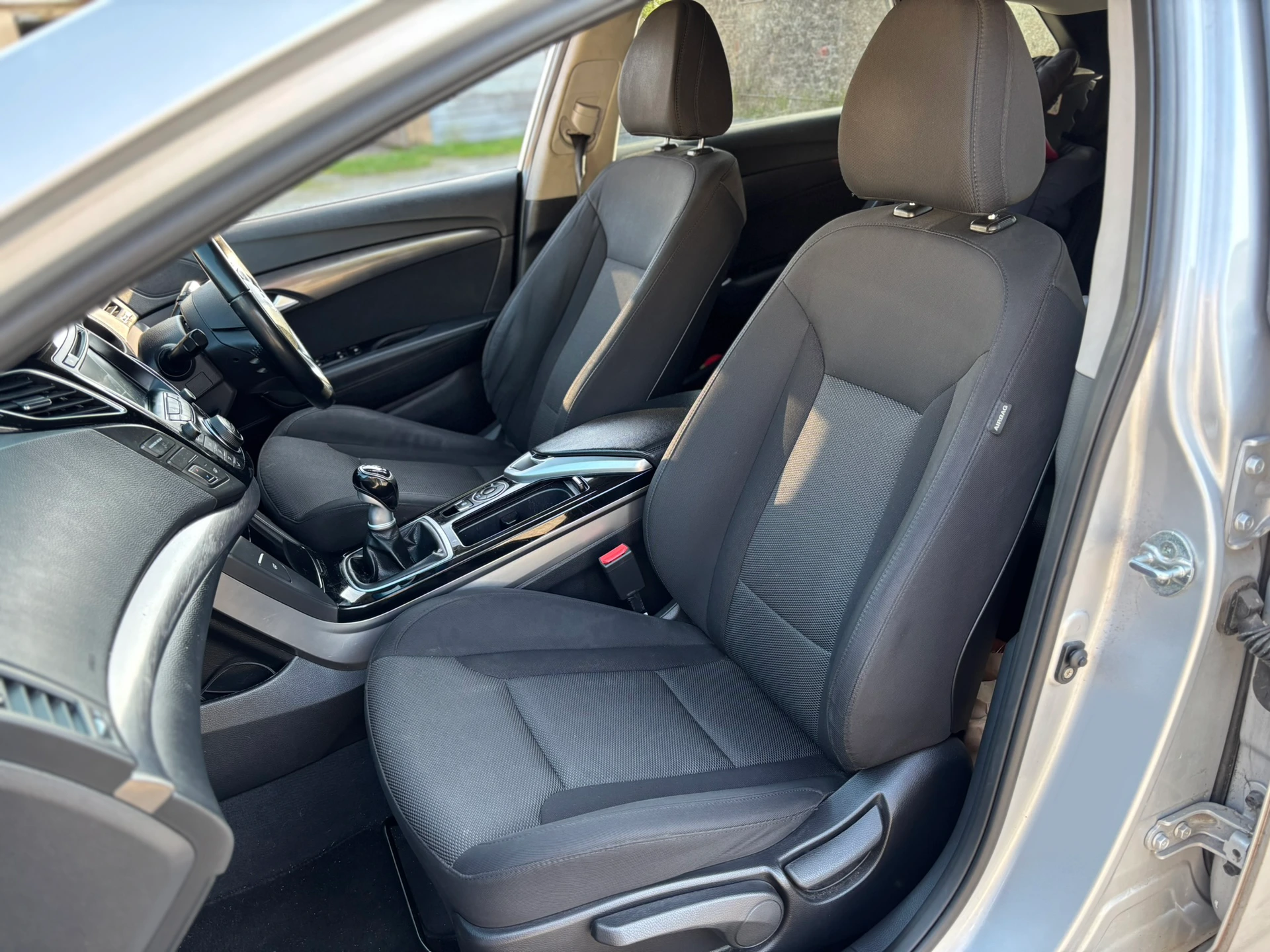
tend to spend most of my time, after all. Whilst the black cloth seats won’t win
any awards for comfort, they’re perfectly comfortable, even on longer journeys, which I suppose is ideal if you’re up and down the motorway every day doing
whatever it is travelling businesspeople do. The driving position is good as well, with armrests on the centre console and on the door, making it feel like you’re in an armchair.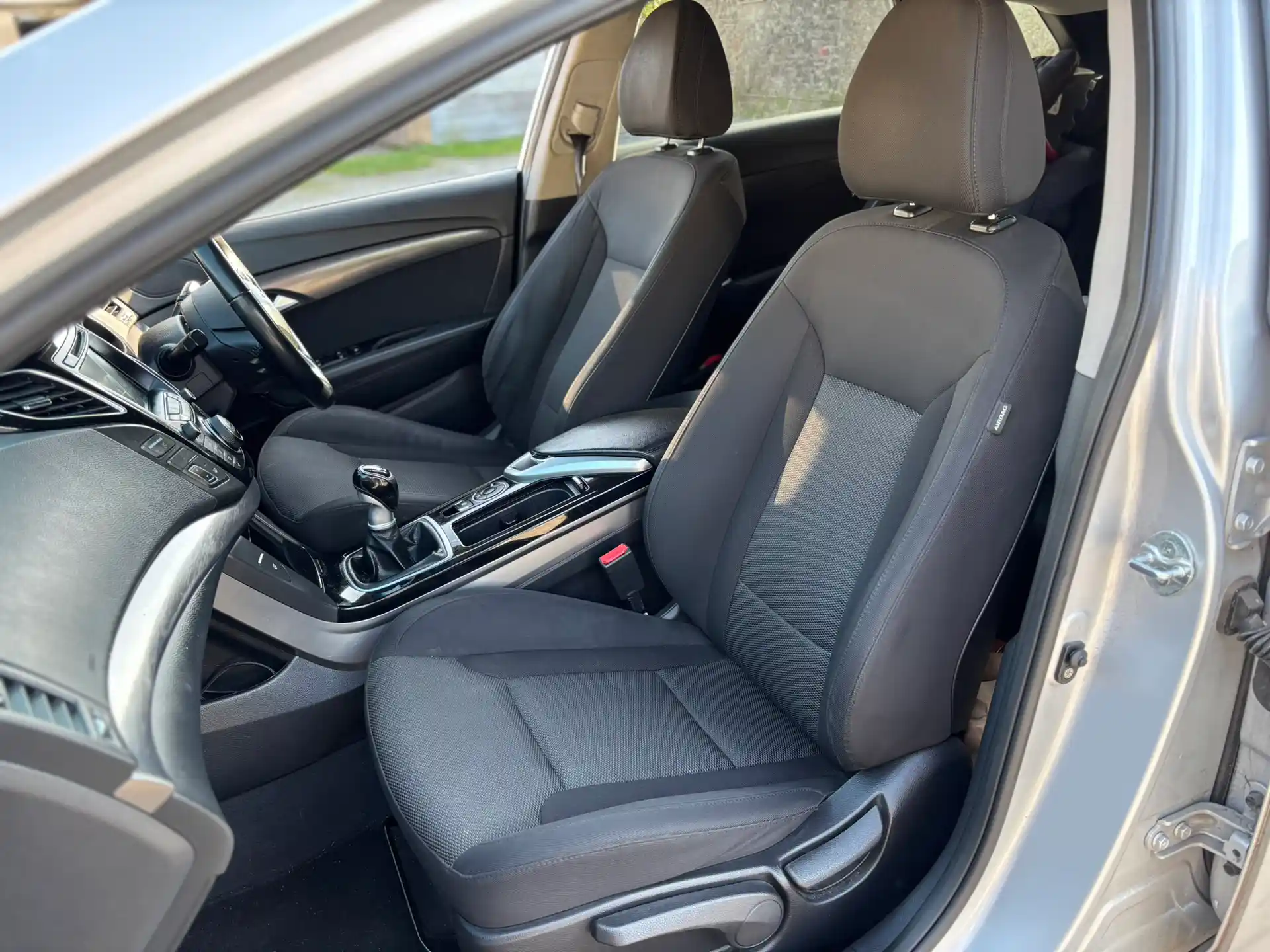 There are also all the controls you’ll need on the steering wheel, including
things like the cruise control and even speed limiter as well as the usual infotainment
controls, which is nice. The rear legroom is nothing to sniff at either; even
with the driver’s seat adjusted to someone with longer legs, you’ll have plenty
of space for your knees, and if you’ve got someone like me who struggles to
reach the pedals without the driver’s seat forward, there’s no shortage of legroom. Even better for me, though, is it has a nice big boot that is stil smaller
than some estate cars, but at 553 litres it’s still plenty big enough. Just for context, the Corsa C boot is only 260 litres, so for me it’s a bit of an
upgrade.
There are also all the controls you’ll need on the steering wheel, including
things like the cruise control and even speed limiter as well as the usual infotainment
controls, which is nice. The rear legroom is nothing to sniff at either; even
with the driver’s seat adjusted to someone with longer legs, you’ll have plenty
of space for your knees, and if you’ve got someone like me who struggles to
reach the pedals without the driver’s seat forward, there’s no shortage of legroom. Even better for me, though, is it has a nice big boot that is stil smaller
than some estate cars, but at 553 litres it’s still plenty big enough. Just for context, the Corsa C boot is only 260 litres, so for me it’s a bit of an
upgrade.
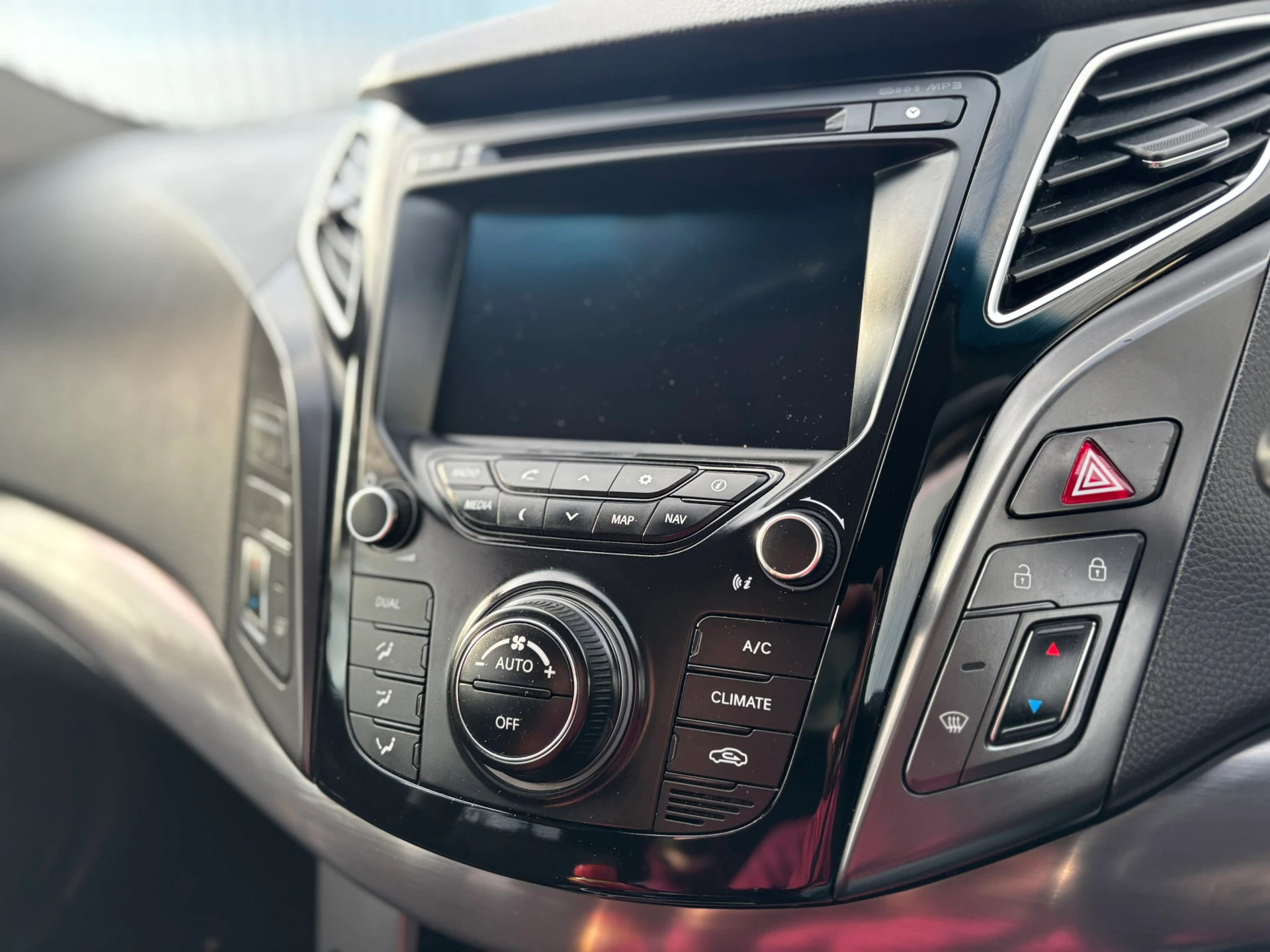
It has all the bells and whistles you’d expect from a corporate fleet car, things like a touchscreen infotainment with Bluetooth and a very outdated satnav situated in the middle of the dashboard. I have tried to update it, but it has not worked so far. The soundsystem is fantastic as well, meaning that most of the time when on my own in the car I drive along blowing out my eardrums. What’s more is this version of the i40 Is still not the top model, which, as well as a more powerful engine, also has leather heated front seats and a panoramic glass roof. It does also have things like climate control, dual-zone control and auto climate control, which is fine and nice to have, but I have a massive issue with how it's laid out.
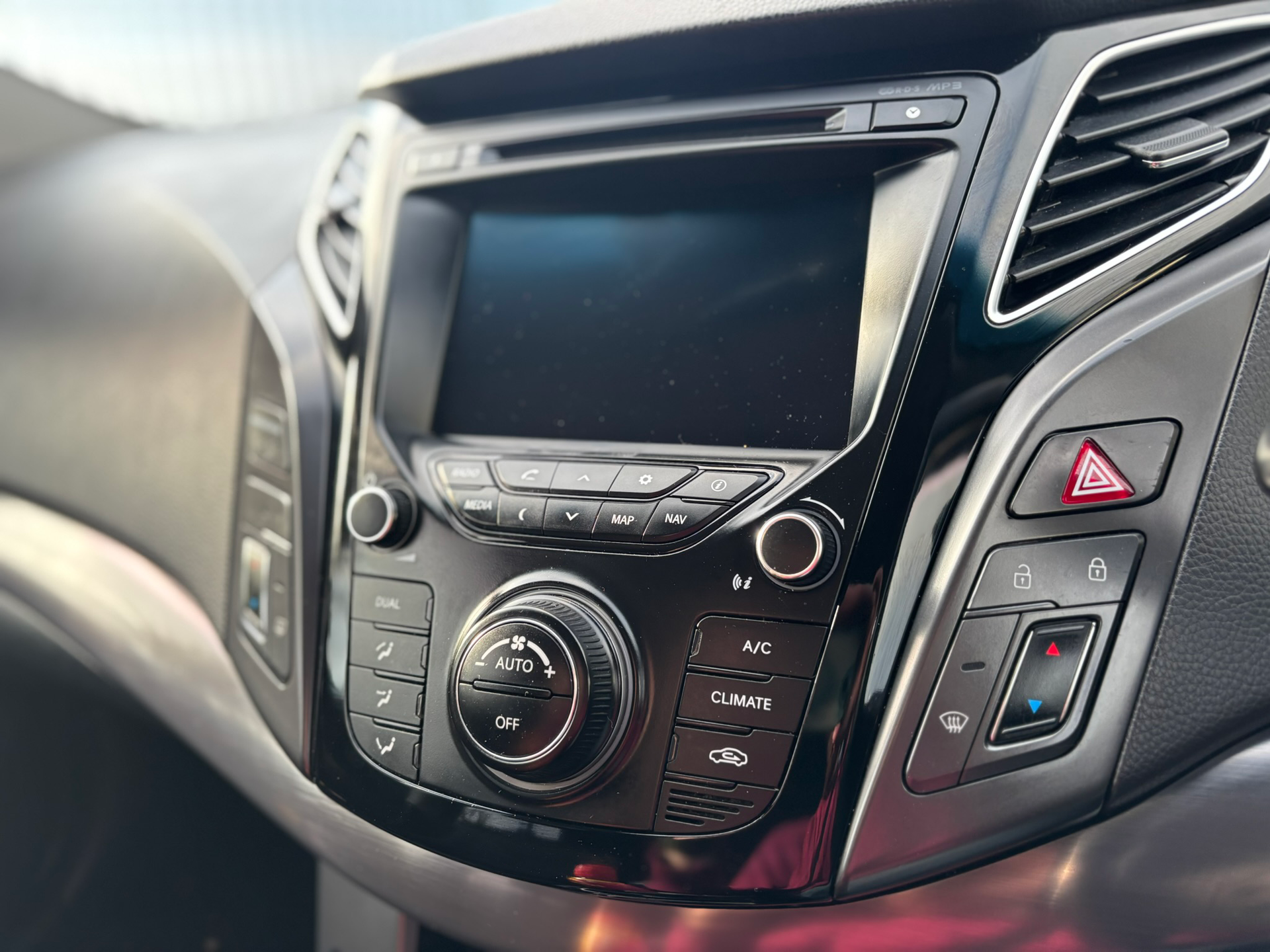 You see, there are three
knobs to control everything, but they’re all in the wrong place. The volume knob
and selection knobs sit under the screen, and then the fan control knob, which
is three times the size, sits in the centre just below them. Now it might just
be me, but I feel like these should be the other way around. I feel like the
big knob in the middle should control the volume, and the two smaller knobs
should control the fan speed and temperature. What’s worse is the temperature
is controlled by two rocker switches which I always miss, instead randomly
locking the car whilst trying to turn the temperature up. But no. The thing
is my brain seems to refuse to accept that is how it's laid out, and as a result,
when I go to turn the volume up on a song I like, I end up getting a face full
of hot air instead.
You see, there are three
knobs to control everything, but they’re all in the wrong place. The volume knob
and selection knobs sit under the screen, and then the fan control knob, which
is three times the size, sits in the centre just below them. Now it might just
be me, but I feel like these should be the other way around. I feel like the
big knob in the middle should control the volume, and the two smaller knobs
should control the fan speed and temperature. What’s worse is the temperature
is controlled by two rocker switches which I always miss, instead randomly
locking the car whilst trying to turn the temperature up. But no. The thing
is my brain seems to refuse to accept that is how it's laid out, and as a result,
when I go to turn the volume up on a song I like, I end up getting a face full
of hot air instead.
Under the hood
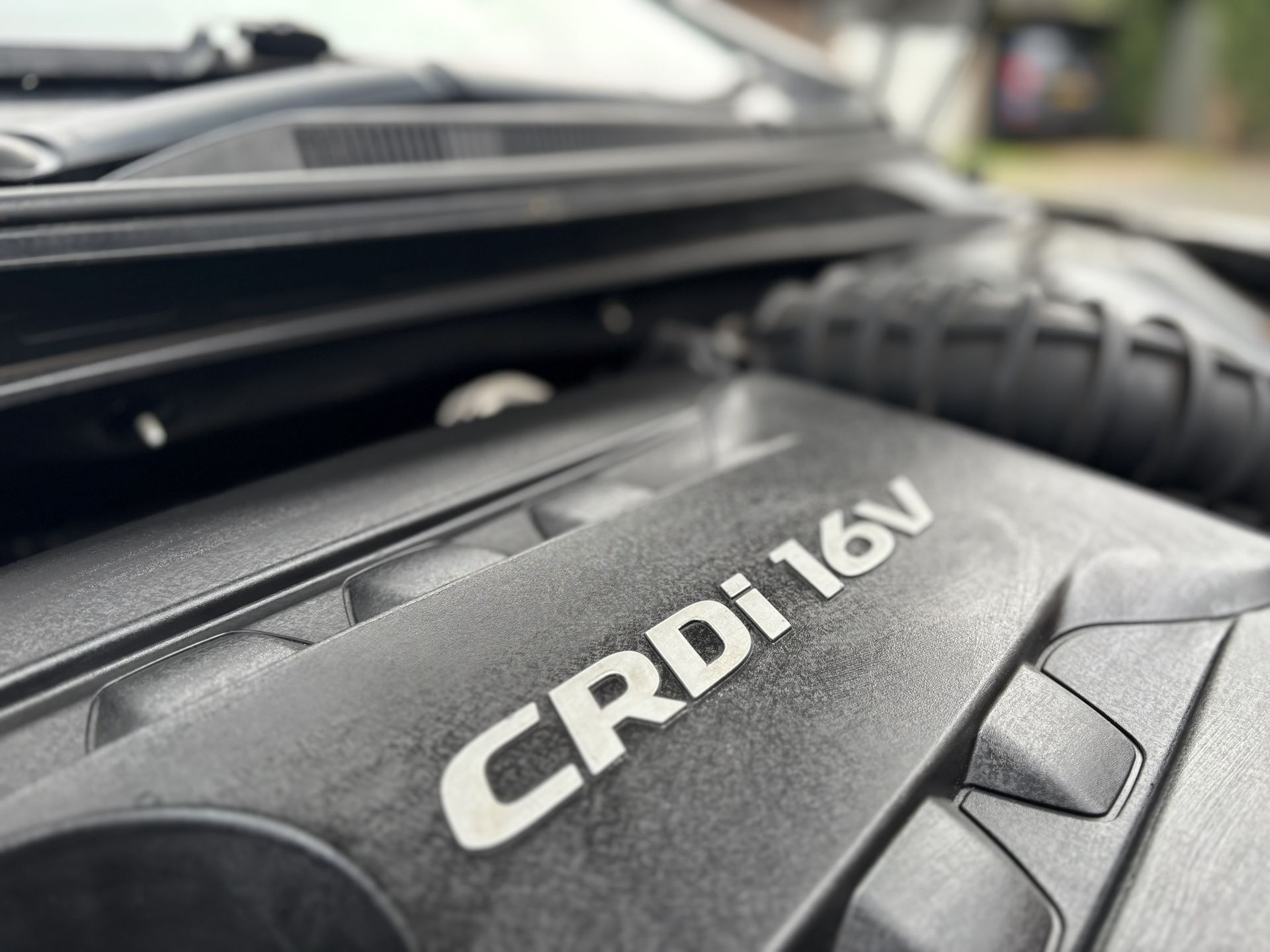
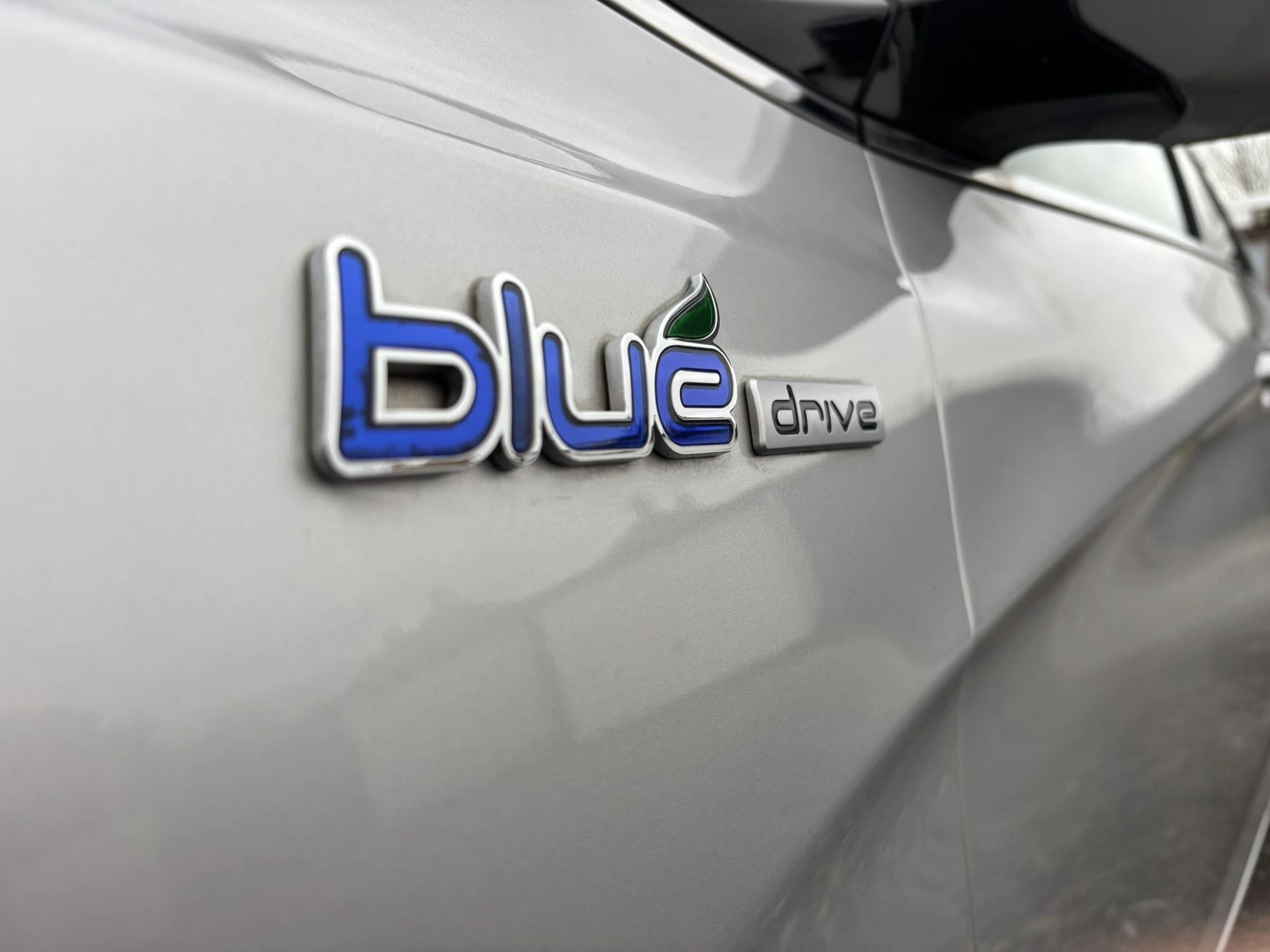
Hiding under the bonnet is a fairly standard turbocharged sixteen-valve four-cylinder 1.7-litre diesel, the same engine you’ll find in a lot of Hyundai and Kia cars from that era. This CRDi version is the BlueDrive model, which sounds fancy until I realise it’s a Euro 5 engine and, as a result, still costs me nine quid to get into Bristol. This is even more irritating when my brother, who until very recently owned a 2-litre petrol Insignia, could go into Bristol for free. They did fit a Euro 6 engine to the newer models, but not mine.
It's not all bad though because in this model of the i40 at least the engine produces 114 BHP, which will easily get you to 60 in around 11 seconds and will keep pushing along to its top speed of 118 MPH. Even though the engine is on the smaller size compared to some of the competitors, it is fine for what it is. It’s not too rattly even at idle and will happily spend all day at 1500 RPMs whilst doing around 50 MPG on the motorway.
There are, however, times the car feels underpowered, with very noticeable turbo lag making quick acceleration a problem, and getting onto busy roundabouts during rush hour requires some preplanning and clenched buttocks whilst waiting for the turbo to work out what it’s doing. Once the turbo finally sorts itself out and does its job, the car does get a shift on, but it feels like an eternity until it does so, putting my foot down whilst holding my breath, waiting for the little turbine to spin up and give the car the power it needs to get out of its own way.
It does have other quirks as well – things like if you catch the engine at a certain RPM, just before the turbo can spool up fully, it jerks like you’re in the wrong gear, but giving it a little more boot soon fixes it. This, however, can be a real pain in the tail end when I’m stuck in slow-moving traffic and we hit that speed too fast for first and too slow for second, so I sit there just under 2K RPMs whilst chugging away like a pigeon’s head as it wanders down the road. It also feels like it lacks a lot of power at lower RPMs.
On the road
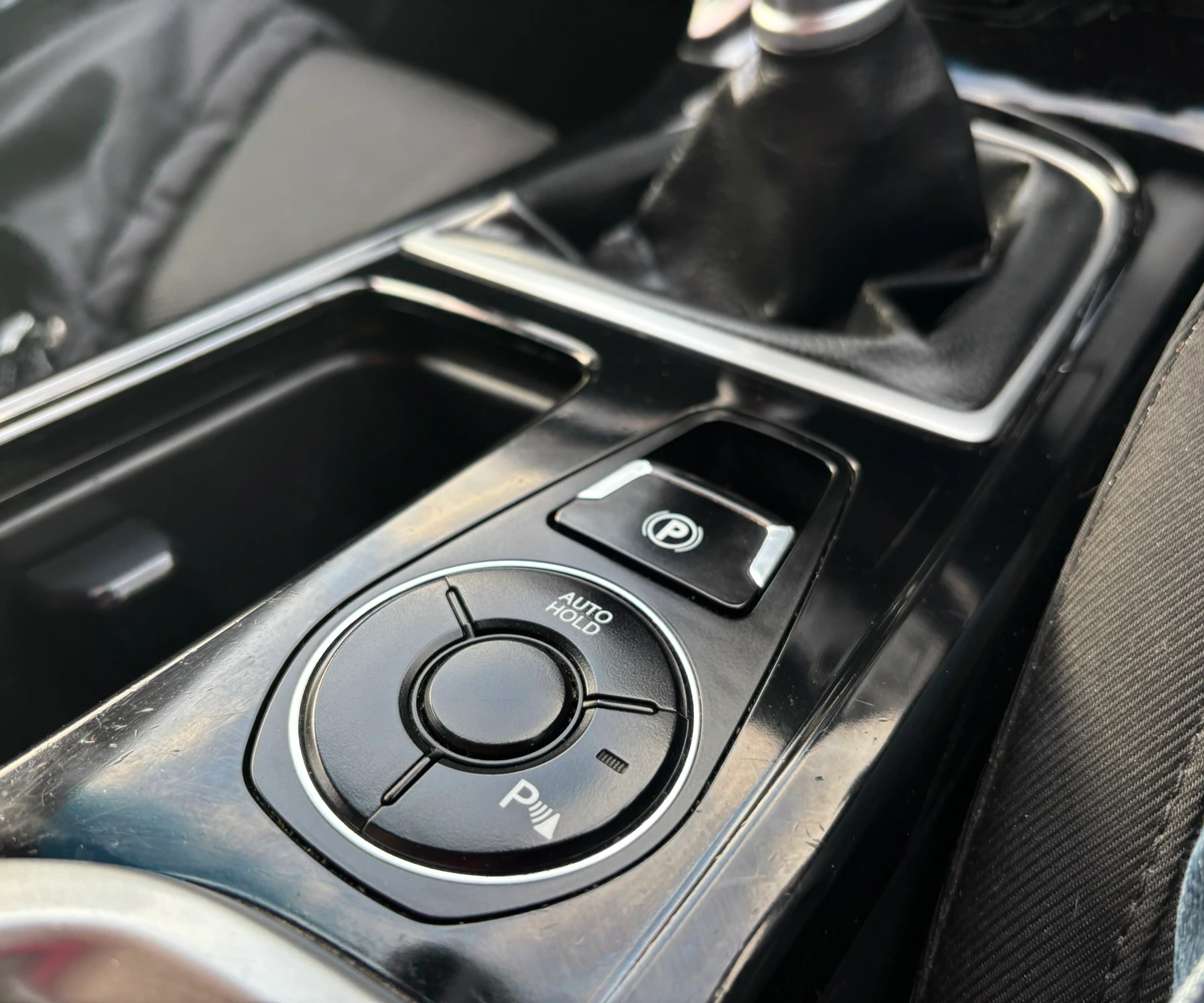
Long story short, it’s fine. It drives much like any other diesel estate; the ride is lovely and smooth on motorways and on fast A roads it will hold the line when you stick it into a corner without too much rolling, and the steering is safe and predictable. It does have a sport mode on the steering mode selector, which on a car like this makes me laugh because, as far as I can work out, it does nothing more than make the steering heavier, so I tend to leave it in comfort mode. It also has a button to turn off traction control, which I find myself doing occasionally, especially when on windy backroads and pulling out of tight junctions in the wet, where I put my foot down to get moving only to feel the throttle cut and see the orange light on the dashboard flash as the car panics, which is really annoying when pulling out onto a fast road, especially when combined with the turbo lag. I do switch it back on eventually, but it’s just irritating.
Whilst, as I’ve previously mentioned, there is turbo lag whilst accelerating and trying to get off the line, once the car is on the move, the engine has enough power to give you a shove down the road, provided you do a little bit of pre-planning to get past the turbo lag, and it is surprisingly sprightly for a 1.7 litre engine.
Summary
So how do I wrap this up? The Hyundai i40 was built to compete with the likes of VW and Vauxhall, going after the corporate fleet market, and in my opinion, I think they created a solid competitor that in its day held its own alongside the other brands and is still definitely a solid option twelve years later. A comfortable, smooth, spacious estate car with all the creature comforts you’d need and more. Even with its issues like turbo lag and known issues with the gearbox, I would still recommend it. And for me, I got a semi-premium-feeling estate car that is big enough for me, my child and all the bags, seats, a pushchair, and all the shopping for just over a grand and a few days of replacing parts.
Things I like about the car
Well, other than the fact I got a half-decent, fairly low-mileage diesel estate car with a new flywheel and clutch for just over a grand, and very cheap road tax. it’s comfortable enough, practical and, in my opinion, quite a good-looking car.
Things I don’t
Alongside the knobs being all wrong on the dashboard, which occasionally ends up with me getting a face full of hot air when I’m trying to adjust the volume, the massive turbo lag is infuriating, and the boot lid leaks into the boot when open. But then that could be down to a worn seal around the lights; it was sat in the corner of a car park for over a year after all.
The electric seat adjuster is slow as well, with only the driver’s seat being electric, meaning that I can move the passenger seat in seconds, but I have to press a button and wait whilst the driver’s seat slowly hums its way forward. I don’t see what’s wrong with manual seat adjusters.
Numbers for the nerds:
Engine – 1.7 Litre CRDi 16V Turbo Diesel
BHP – 114 BHP
0 to 60 - 11.9 seconds
Torque – 260 NM
Kerb weight – 1,485 kg
MPG – Around 50–55
Gallery